
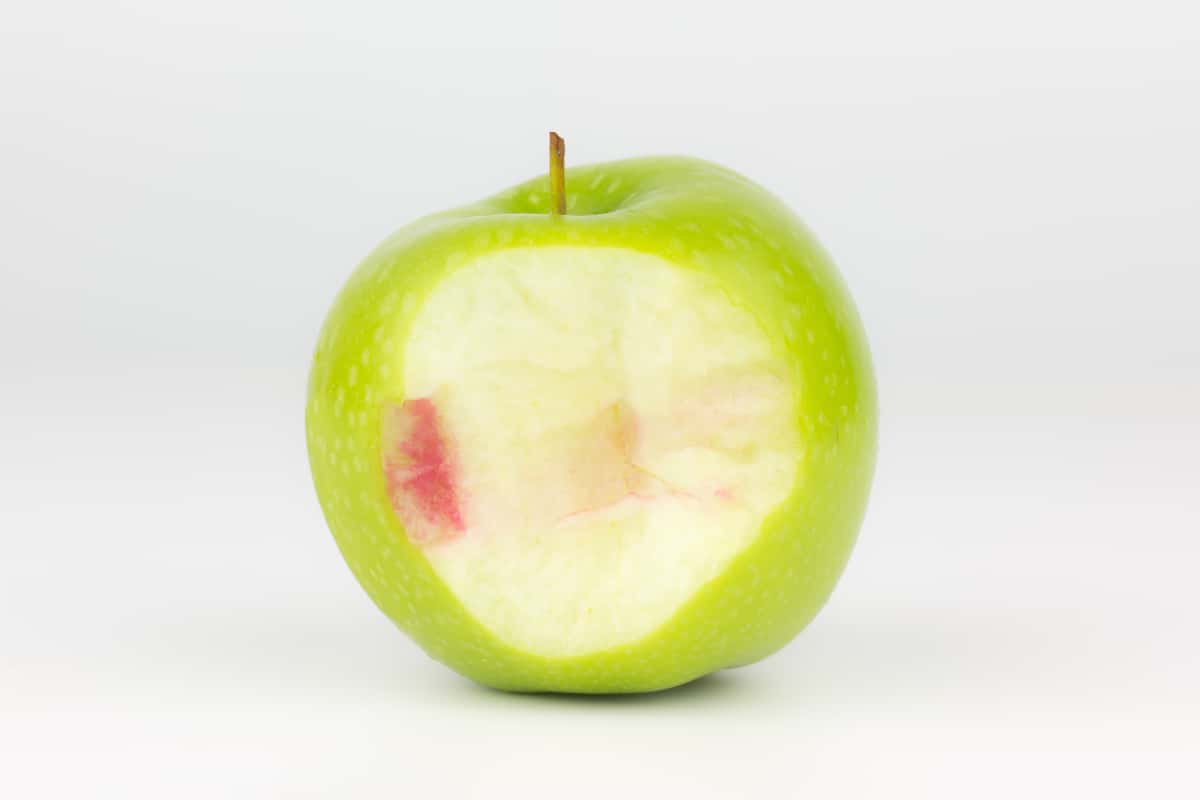
A frequent sign that should be addressed promptly to prevent more serious issues
Do your gums bleed when you brush your teeth? This is a more common occurrence than it might appear, but that does not mean it should be ignored. In many cases, bleeding is a warning sign indicating that something is not right with your oral health.
Understanding when it may be an isolated incident and when it requires professional attention is crucial to preventing major problems.
Is it normal for gums to bleed?
The short answer is: it should not be common.
Slight occasional bleeding may occur in very specific situations, such as:
- When you start using dental floss after a long time
- If you have changed your hygiene routine
- After overly aggressive brushing
In these cases, bleeding is usually temporary and disappears within a few days when habits improve.
However, if bleeding recurs frequently, it ceases to be “normal” and becomes a warning sign.
Main Causes of Gum Bleeding
Gingival bleeding is usually related to gum inflammation. These are the most common causes:
1. Gingivitis
This is the most common cause. It occurs due to the accumulation of bacterial plaque at the gum line.
Common symptoms include:
- Reddish gums
- Inflammation
- Bleeding when brushing or flossing
The good news is that it is reversible if treated promptly.
2. Periodontitis
When gingivitis is left untreated, it can progress to periodontitis, a more advanced disease that affects the supporting structures of the tooth.
In these cases, in addition to bleeding, the following may appear:
- Gum recession
- Tooth mobility
- Persistent bad breath
Here we are no longer talking only about sensitive gums, but about a problem that can compromise the stability of the teeth.
3. Inadequate Brushing
Brushing too forcefully or using a toothbrush with hard bristles can irritate the gums and cause bleeding.
Curiously, many people think that the harder they brush, the cleaner their teeth become… and it’s just the opposite.
4. Hormonal Factors and Other Contributing Conditions
There are situations where gums are more sensitive:
- Pregnancy
- Hormonal changes
- Stress
- Certain medications
In these cases, bleeding may occur more easily, although it is still advisable to monitor it.
When should you be concerned?
There is a fairly simple rule: if bleeding is frequent, it needs to be checked.
You should visit the dentist if:
- You bleed every time you brush
- Bleeding lasts more than a week
- You notice inflammation or redness
- You have persistent bad breath
- You observe gum recession
How to Prevent Gum Bleeding
Prevention is the best tool for maintaining healthy gums. These are the basic keys:
- Gentle and effective brushing, at least twice a day
- Use of a soft-bristled toothbrush
- Incorporating dental floss or interdental brushes
- Regular dental check-ups
- Professional cleanings when necessary
Good hygiene habits not only prevent bleeding but also help prevent more complex diseases.
The Role of Gums in Your Oral Health
We often focus on teeth and forget that gums are equally important. They are the tissue that supports and protects the teeth, and their condition directly influences the health of the entire mouth.
Healthy gums do not bleed, do not hurt, and have a firm, pink appearance.
In Summary
Gum bleeding should not be considered normal, especially if it is recurrent. In most cases, it is the first warning sign of inflammation or periodontal disease.
Acting promptly makes the difference between a simple solution and a more complex treatment.
If you notice that your gums bleed frequently, it is highly recommended to undergo a check-up to identify the cause and apply the appropriate treatment as soon as possible.