
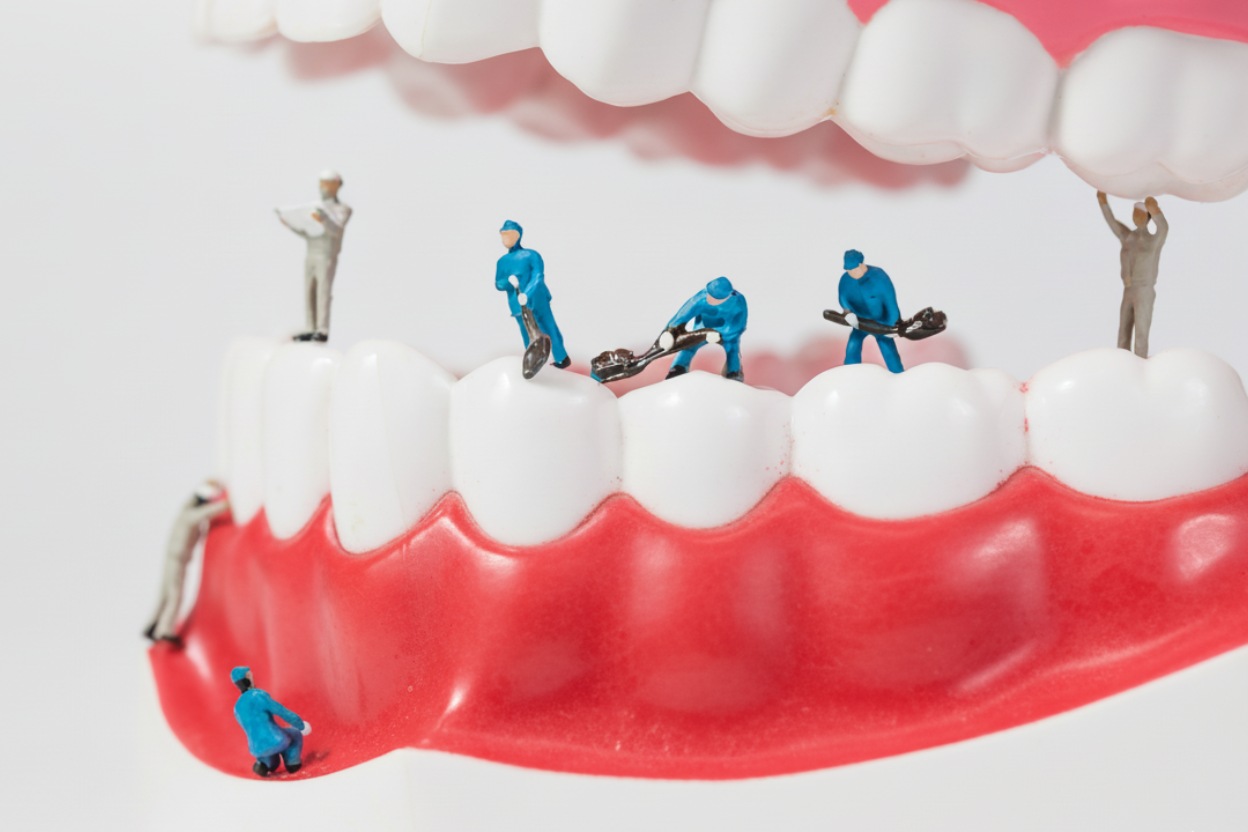
Reddish or sensitive gums may conceal more than just a simple oral issue. Have you noticed that your gums are redder, bleed when you brush, or appear inflamed?
Although it may seem like a minor or harmless issue at first glance, these signs can be an early warning of a more serious condition.
And it doesn’t just affect your mouth: various studies have shown that gum health is closely related to your general health, including potential cardiovascular risks.
Why Do Gums Become Inflamed?
The most common cause is gingivitis, an inflammation triggered by the accumulation of bacterial plaque along the gum line.
If left untreated, it can lead to periodontitis, a more advanced disease that irreversibly affects the bone and tissues supporting the teeth.
Other factors that can cause or worsen gum inflammation include:
- Poor oral hygiene or improper brushing
- Hormonal changes (pregnancy, menopause)
- Smoking
- Stress or a nutrient-poor diet
- Certain medications or systemic diseases like diabetes
Which Symptoms Should Concern You?
Healthy gums should be pink, firm to the touch, and not bleed during brushing.
Any change in their appearance, color, or sensitivity can be a warning sign.
If you detect one or more of these signs, it’s time to act and consult your dentist as soon as possible:
- Red, inflamed, or frequently bleeding gums: This is one of the first signs of gingivitis. Although many people normalize it, bleeding should never be ignored.
- Persistent bad breath: Known as halitosis, it can be due to the accumulation of bacteria and the release of gases below the gum line.
- Pain or sensitivity when chewing: This may indicate advanced inflammation or even involvement of the bone supporting the teeth.
- Gum recession (teeth appear longer): Occurs when the gum recedes, exposing part of the tooth root. It is a clear sign of periodontal disease.
- Tooth mobility: When teeth start to move, it is a sign that the bone support is compromised. At this stage, immediate attention is required to prevent tooth loss.
Ignoring these symptoms can turn a reversible problem into a chronic disease.
The sooner it is detected, the simpler the solution and the better the prognosis.
What Can You Do to Prevent It?
The good news is that gum inflammation can be prevented and reversed if detected early.
Here are some key recommendations:
- Brush your teeth twice a day with a medium toothbrush and fluoride toothpaste.
- Use dental floss or interdental brushes to remove plaque between your teeth.
- Attend regular check-ups with your dentist, at least once a year.
- Avoid tobacco and take care of your diet and lifestyle.
- Consult promptly if you detect bleeding, pain, or inflammation.
At Clínica Cervera, we don’t just treat problems when they arise: we focus on prevention and on detecting any warning signs early.
Our specialized periodontics team is ready to help you maintain healthy gums and, in doing so, contribute to your overall well-being.